Posted: March 23rd, 2011 | Author: admin | Filed under: fun, trips and notes | No Comments »
because of the beautiful story dedicated to this city which was previously posted in the blog, I am going to cut down on the details of our stay in Barcelona; I will only point out these spots which even now, months after that, come to my might loud and bright… my Barcelona

yep, surprising, isn’t it?!
perhaps this is where we should honor Gaudi, grandma Zaha, Herzog & de Meuron, Toyo Ito, Jean Nouvel and a bunch of other celebrities who left their mark on the Spanish understanding of a cosmopolitan city; maybe we should.
I will show you the work of a gloriously unknown-outside-of-Spain Spanish colleague


he is so widely unknown that after having seen the building, I spent days searching the internet for its author and function – and all I could find was nothing; the pictures have captured the final stage of construction, a little bit prior to the opening; months later, there was a tiny article on it in arch daily but, as it often turns out, the fantastic experience of a building requires experiencing it in person as photography is a wonderful manipulator.
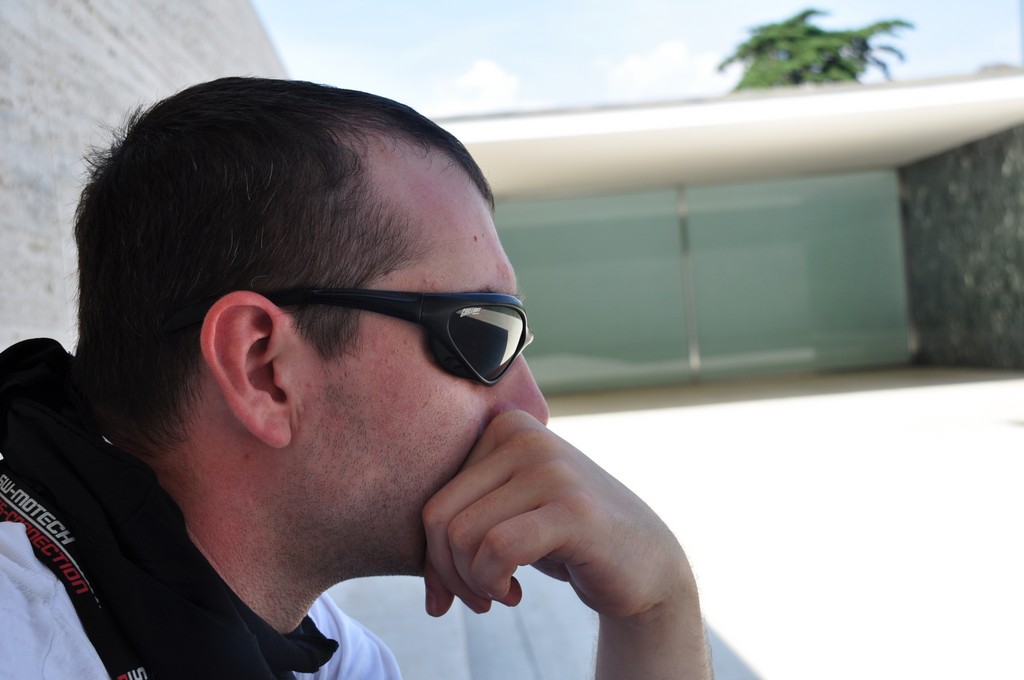
maybe the most fantastic part of this building is the fact that it is situated right next to one of the icons of contemporary architecture which allowed me to take a picture of this
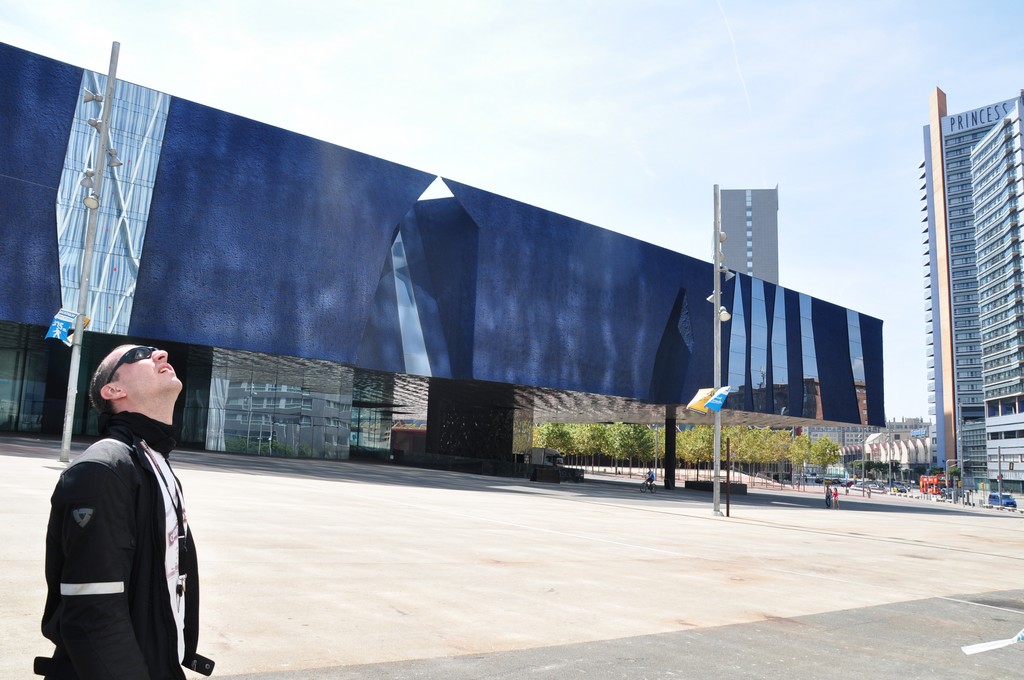
the building at the back, the icon in question, did not make even the slightest impression to the object on this picture; the eyes go straight to the other one… which is reflected in the windows 🙂

the unearthly magic emitted by it made us come back in the evening
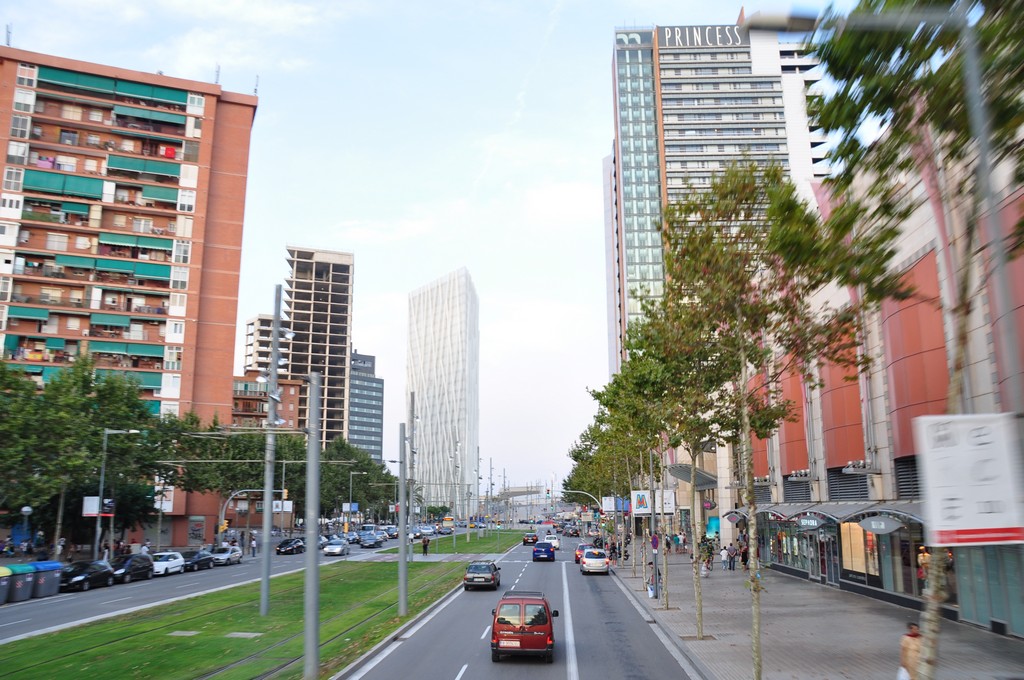
does it look like it comes from another place? As if it is not man-made, a strange visual illusion – the skies gathered and, as if by mistake, materialized there; the fantastic contrasts and diversity of this city, the vivid colors, Gaudi’s madness, the architectural competition of @13 monsters, the medley of colors – all of this seems kitschy, boring and too much for me because of it.
I am exaggerating; it is not only because of it
there is one more place in Barcelona which makes me look at everything else in Barcelona that way
it is neither new, nor unpopular
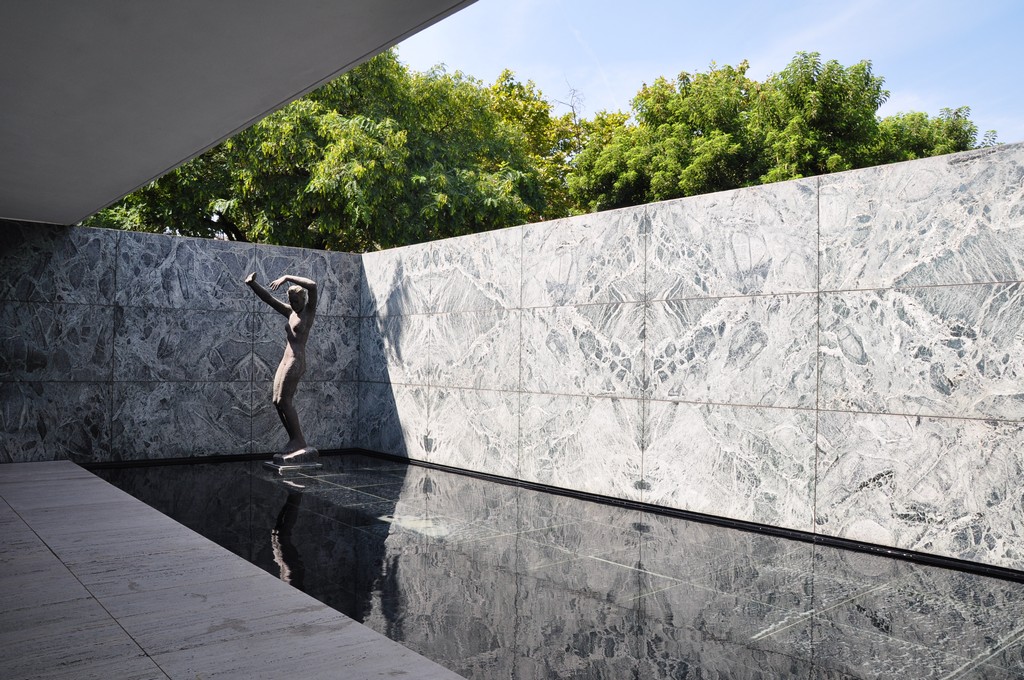
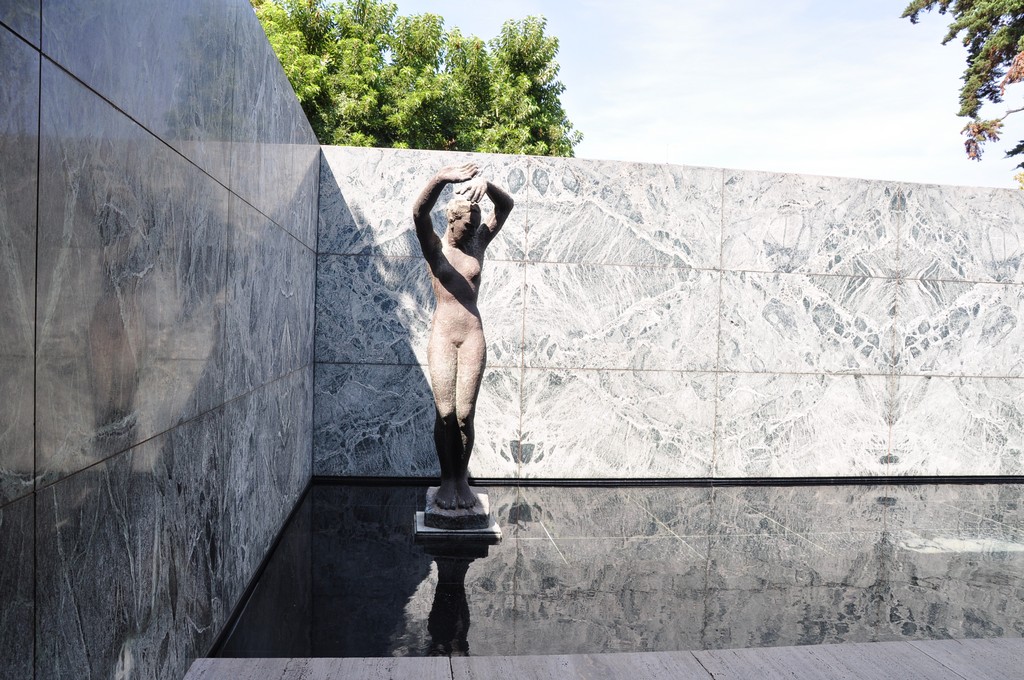
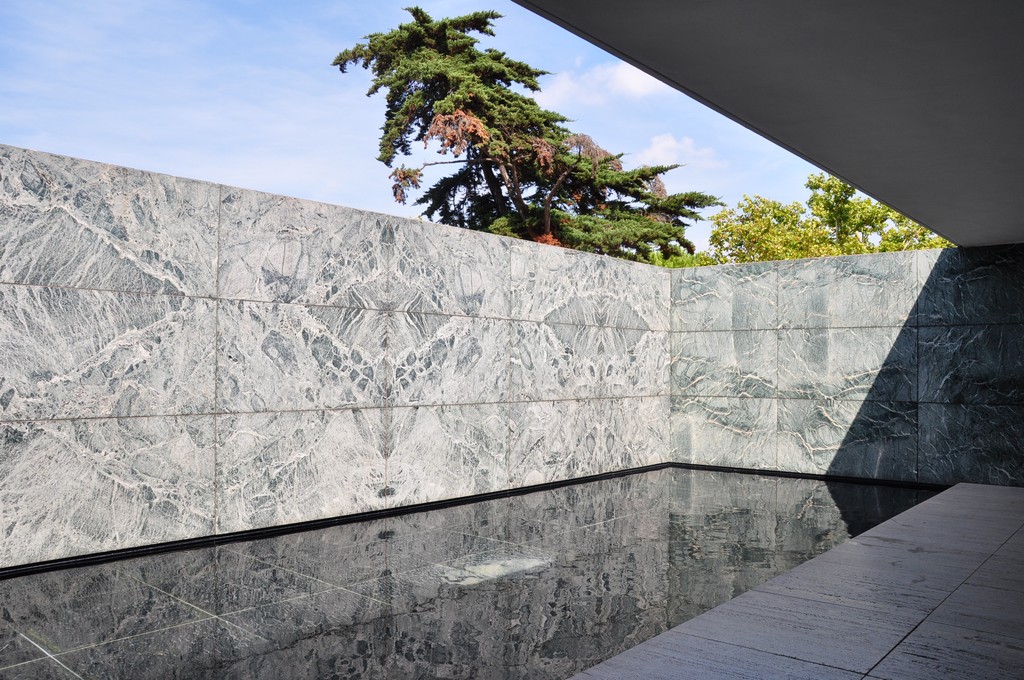

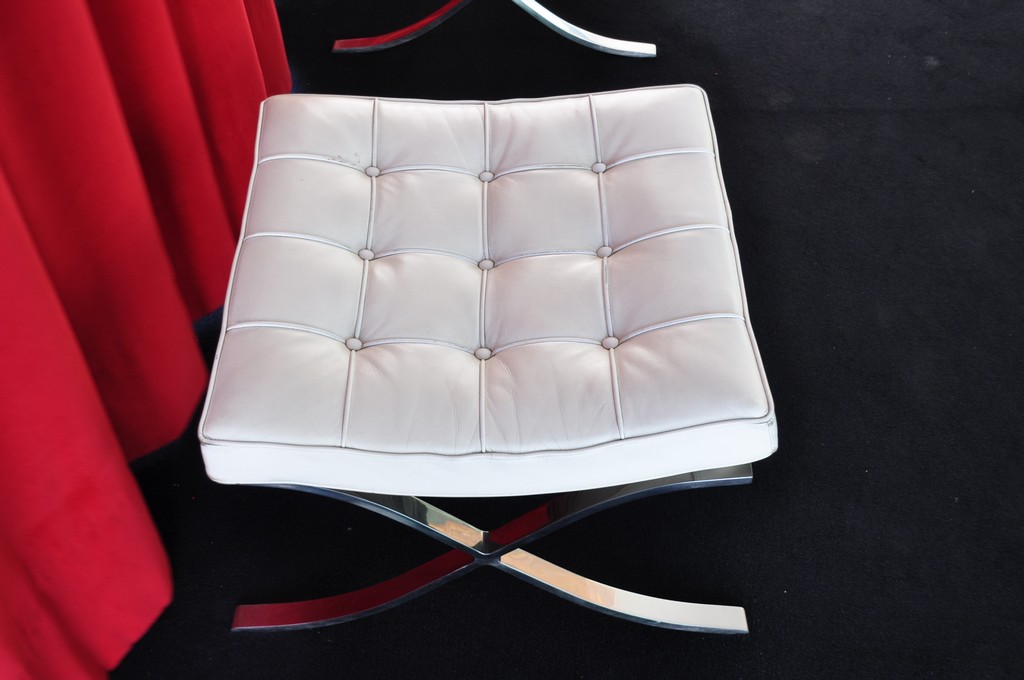
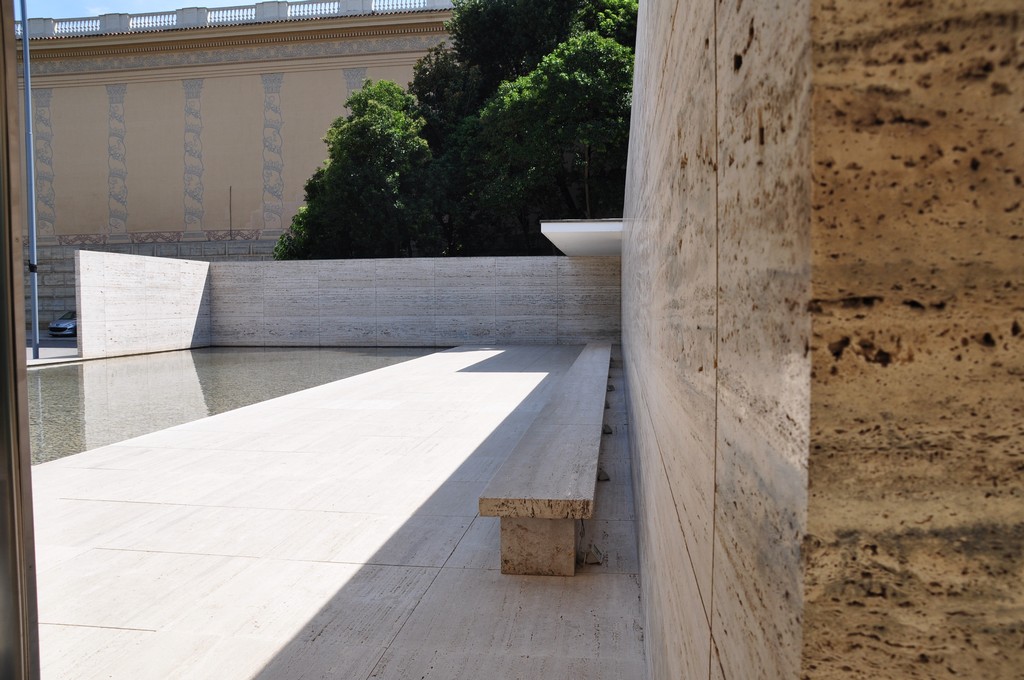

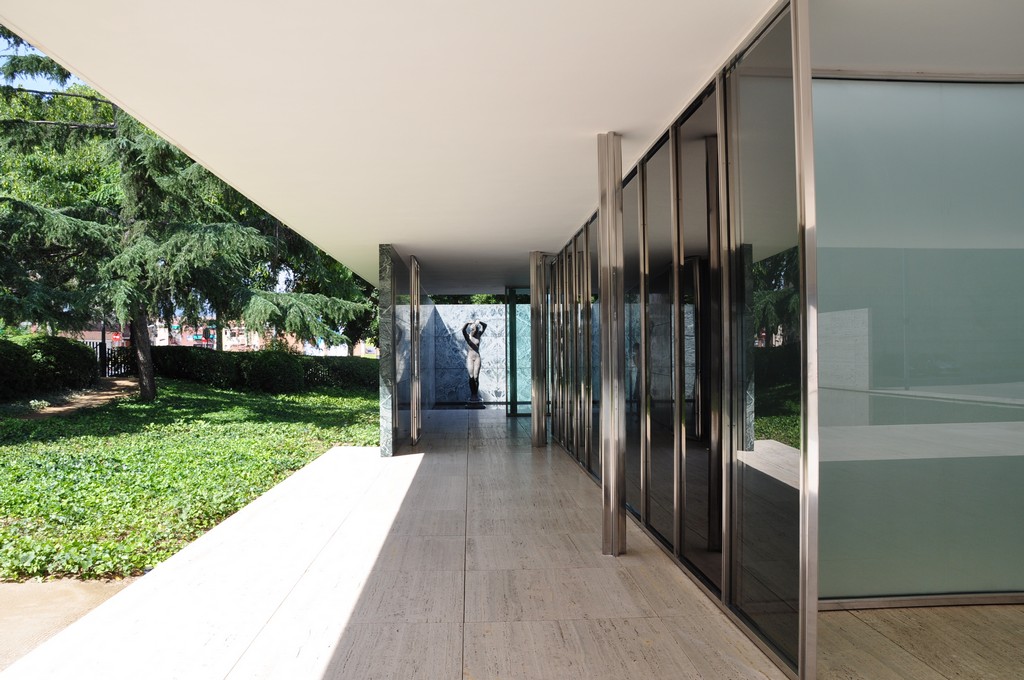
I don’t want to leave

people, travel for God’s sake!
no matter what kind of idiot you were before you got here, you simply cannot leave the same.
1929
Posted: March 12th, 2011 | Author: Gergana Milusheva | Filed under: trips and notes | No Comments »
The day of The Wedding; ironically, it is the 3rd of March (note: Bulgaria’s national holiday).
it is time to tell you a little bit about our kind hosts – Reuven and Ruthie Peleg.
wonderful people who created a wonderful family – they have 4 children, two girls and two boys; we are going to the wedding of their third child – Ilel, a 25 year-old proud, young man ; in fact, having 4 children is just a bit over the critical minimum for Israel; Ruthie, for example, has 6 brothers and a sister; this is how such a family looks:

so! time for some math; if everyone has 8 children (who already have several children of their own, headed for the cherished number) and you invite only the closest relatives of the two jolly families – what would the result be, eh?!! nooooo – the wedding will be a modest one – only some 400 people.
you cannot imagine receiving 400 people at home, right?! yep, you cannot even receive them at a restaurant! this is why some kibbutzes have developed a special business strategy – organizing parties, family events and company cocktail parties (perhaps I did not mention that kibbutzes always have some business of their own such as a sausage factory, shoes workshop, or a party center (in addition to the great deal of land that they cultivate around the kibbutz).
and the organization of such an event is by no means an easy task; the front part of the Hall before receiving the guests:

the dining area


the tables are numbered and there is a list at the entrance which has the names of the guests and their corresponding table number.
it is Spring in Israel and the temperatures after sunset are quite low for the wedding dresses of the ladies; if the wedding was held a month later, the atmosphere would have been something like this


a carefully prepared décor for the important event


the spot where the ceremony takes place:


and the necessary requisite

the family arrives at about 7 in the evening in order to make sure that everything is perfect; it is
there is a small house for the bride and groom which will be at their disposal in the evening; what did you think of now! noooooo, it is, actually, more of a storage room for the extra pair of shoes, handbags, coats, a makeup room for the ladies and a place to remain alone for a few minutes prior to the most important moments; slowly, the guests start to arrive; until the final assembly of all guests and the beginning of the ceremony, everybody is standing or sitting at the tables outside where they chat, take pictures and have a bite of the small portions of all sorts of dishes


there is no church marriage and civil marriage in Israel; you don’t even go to the synagogue; the actual wedding ceremony will be performed here in the upcoming 8-10 minutes by this man:

you guessed it – this is the rabbi; what follows is a short inspection with the father of the groom to check if everything is ready:

and we are ready to receive the young couple; last-minute preparations:

each one of them is taken to the hall with their relatives but they head towards the altar together

actually, the entire family goes under the baldachin and the women stand to the side of the bride while the men stand to the side of the groom

the ceremony is surprisingly short as it includes an admonishing speech by the rabbi, something like an exchange of vows by the bride and the groom, a ring, a glass of wine, a song that everyone sings along to and a noisy crushing of the glass by stepping on it
dinner is served


no Jewish meal is complete without hummus

the newlyweds did not try any of the above-mentioned meals, not because they were busy going around the table but because they did not leave the dance floor together with about half of the guests; which reminds me about the issue with the gifts – there are simply no gifts; there is something resembling a mailbox at the entrance and people simply drop envelopes in it; that’s it.

the general impression is that they are humble people who are genuinely having fun ☺
around 1 in the morning the hall began to get emptier and at about 2, we were already back; the next workday follows…
the Jewish workweek begins on Sunday and ends on Friday afternoon (do the math – these are five and a half days); Friday night is the time dedicated to the traditional family dinner Kiddush and on the next day is the holy – Sabath – Saturday; for a long time I wondered why the day set for the wedding was a Wednesday but it turns out that Friday night and Saturday are so “religiously” family holidays that there is no way to fit in an outside-family event; I was under the impression that the religious part of it was not as serious but I had not yet seen how it was on a Friday and a Saturday when there were just the closest family members (only about 40 people) and the celebration was going to be continued; I have to admit that for the entire duration of our stay with the Peleg family, there was a constant flow of people going in and out of the house – the brothers and the sisters of the parents, the friends of the groom, the levy guys from Gaza where he served for the duration of his obligatory military service, the older brother and sister who already live separately and have families of their own… Ruthie cooked for an entire army – I had not previously seen a cooker with four hot-plates working simultaneously; part of the family’s barbeque:

these “friendly dinners” left me under the impression that there is no generation gap in terms of either the conversations or the behavior, that parents and children enjoy sitting together around the table until late in the evening, talking and passing dishes here and there, smoking shisha… and NOT watching television; there is no TV at all! in our hosts’ living room as if the social environment is substituted by the family one – perhaps it cannot be any other way when you have eight children (which does not mean that they do not have a TV or Internet – as one of the youngsters put it – in Israel if you don’t have Facebook – you don’t exist).
the children, their number, giving birth and taking care of them is the most notable cultural difference with our contemporary Bulgarian society; although they tend to have a lot of children, women are still full members of Israel’s workforce as the maternity leave is only three months long; after that – crèches and kindergartens – and the woman goes back to work; the kindergartens are in excellent condition and they are being renovated completely every year with all expenses covered by the state; Jewish people believe it is detrimental not to send your child to a kindergarten since otherwise it could not develop communication and social skills; the state increases the payable family allowance for each additional child; and people’s attitude towards children is that they are a common wealth, no matter to whom they belong – maybe this is why Ilel’s friends behaved like they felt at home and participated eagerly in the dinner preparations, as if they were helping their own mothers; which is not to say that men help a lot with the domestic work (the patriarchy is a fact in the house) but the fathers are really engaged, taking care of the next generation; note who is holding the youngsters on the family photograph in the beginning.
these cultural specifics of the Jewish family have their religious roots which are clearly visible with orthodox Jewish families; as a whole, this phenomenon is really difficult to grasp, at least from my Euro-Bulgarian worldview; a little bit of décor before I begin my story – this is the town of Bene Baraq:

close to a quarter of Israel’s population is Orthodox Jewish – in other words – they live according to what their religion commands; everything seems ok up until now; the only problem is that they don’t work – the men read the Torah throughout the day (and sometimes throughout the night as well), while the women give birth; the state has organized separate towns for them where they can live without being disturbed by the outside world and it pays them a monthly allowance; the prices in these town are artificially lower (if you have decided to buy something – this is the right place), all of the restaurants are kosher and on Saturdays you cannot get there in any other way except on foot…
(driving a car is forbidden on Saturday as well as all kinds of other things related to work, electricity and whatever-else; when I asked what they WERE ALLOWED to do on a Sabbath, the answer was: to read the Torah, sleep, talk, walk and eat; they could not think of anything else; so immediately, I wondered how they could eat when they were not allowed to cook (haha!) but they have thought this through – everything is cooked on the previous day and it is kept in special containers that keep it warm for the Sabbath; they, actually, forbid all actions relevant to staring a fire and, interestingly enough, extinguishing a fire as well)
at first sight, these towns do not look any different from other Jewish towns except for the people, the specific way in which men dress and they keep their hair


the women cover their hair or wear wigs and the long locks take a lot of time to grow…

it turns out that the locks are not obligatory; there are many schools in Judaism and one’s belonging to a certain school is demonstrated in an array of different ways; this man, for instance, has some quite representative pants and socks:

the mundane Jewish population does not favor the development of these towns (and these people) not due to the financial aspect of it but due to the human one – being a child of an Orthodox Jew is almost the only excuse you may have for not being summoned for the army; military service is obligatory, inevitable and long – boys serve for 3 years and girls serve for 2 but they can be summoned again anytime; up until recently the country was almost at war and I am not taking into account all of the official and unofficial wars that Israel led against each of its neighboring countries during its quite short history (since 1948) in one period or another
we take a quick look at the current map of Israel

the bright orange territories are those inhabited by Palestinians, or, as they call them Phalestinians, and they are controversial to say the least; the entire southern part of the country is a desert; now look at the nothern part again and try to place 6 million Jews in it… the total territory of the state of Israel is 27 000 km. or a quarter of Bulgaria’s size…
and what did they do in order to change their lives for a few years? or, more precisely, to make the permanent military presence a memory and have just a few people here and there walking around with guns, just as I am walking around with my camera? or, at least, not to get up with the highway blown up in the morning…
they built themselves a wall; around the orange areas; or, the majority of it where most Palestinians live; the wall has checkpoint; with face control.


on the other side of that wall, Arabs live in their Arabian ways but if they want to cross the wall… well, a thorough search is the least they can expect at a checkpoint; although they have some form of self-government, it does not exclude the military presence of Israel; the wall itself is not sufficient in some places, it seems, and they put a double line of barbed wire

to be continued…
Posted: March 7th, 2011 | Author: admin | Filed under: architecture, cityscapers' work | No Comments »
Here we promised to publish our proposals submitted within our small family adventure that turned into a competition. If other colleagues call us, we promise to publish their solutions; it will be an almost a real competition.
Before the triptic itself, here is our analysis of the situation:
We are somewhere in the remote Sofia neighborhoods;
The property is an “ideal” one: south-oriented yard, a street on the north side, a slight slope to the south as a bonus, and small neighboring buildings. In other words: there’s enough space and a view to the south, to Vitosha Mountain.
There must be, of course, a though-provoking element: one of the neighbors has built and licensed a three-story house about 1.5 m from the side regulation; so we had to ignore this direction (in this case, east). The building located in the south-west part of the property is also a given.
SP’s house

… »


Leave a Reply